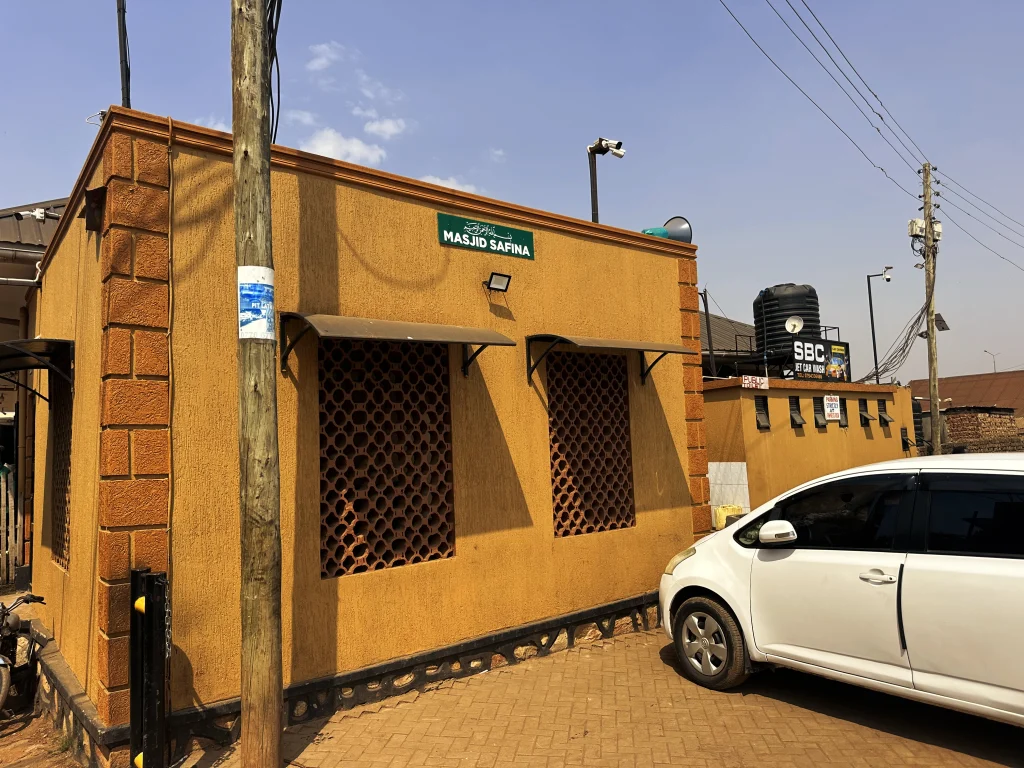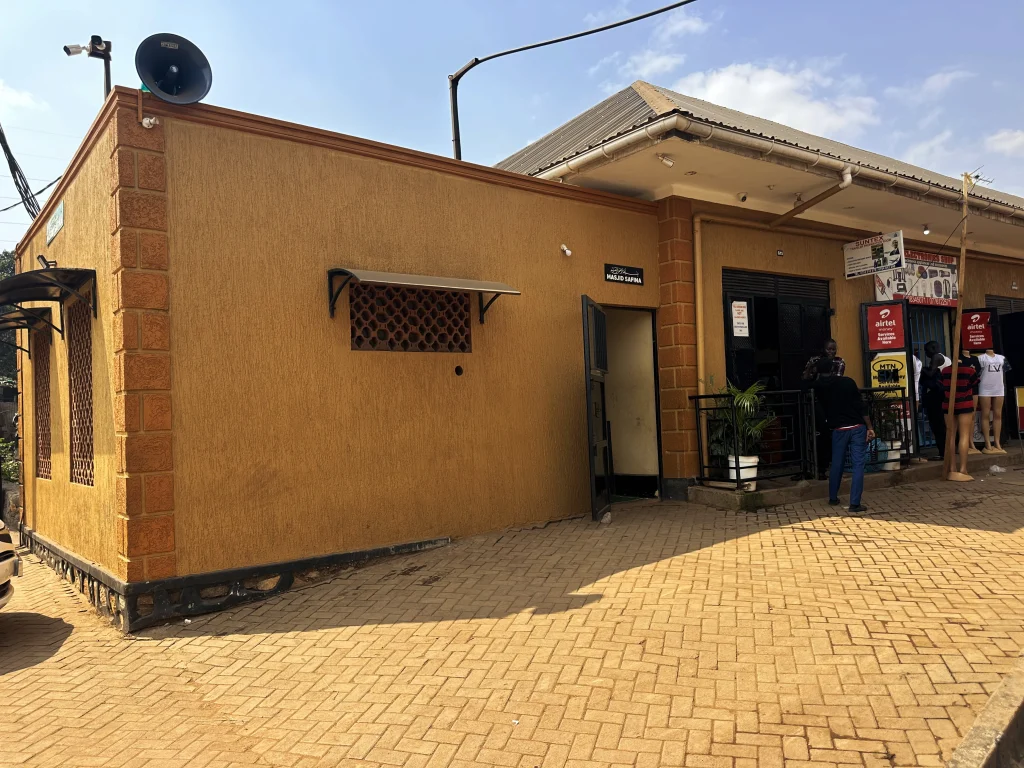

In today’s diverse and multicultural workplaces, accommodating the spiritual needs of our business environment is becoming increasingly important. One way businesses can support their faith is by providing a dedicated prayer space, the Masjid Safina, within the Business environment. This initiative not only respects religious practices but also fosters a sense of inclusion and well-being among business environment.
Understanding the Need.
Prayer (Salah) is an integral part of daily life, performed five times a day. Having a designated space for prayer within the business centre allows and fosters business owners to fulfill their religious obligations without the need to leave their work stations, enhancing their work-life balance and productivity.
Planning and Preparation.
Engage with Employees: Start by discussing the idea with Muslim employees to understand their specific needs and preferences. This can be done through surveys, focus groups, or informal conversations. Their input will be invaluable in designing a space that truly meets their requirements.
Selecting an Appropriate Space: We Chose a quiet, clean, and private area within the Business Center that could be dedicated to the Masjid. This space is easily accessible and large enough to accommodate several people at once, allowing for the performance of group prayers.
Considering the Essentials: Ensuring the space includes all necessary elements for prayer. This typically involves a clean area with prayer mats (Sajjadah), a Qibla (direction of Mecca) indicator, and copies of the Quran. It’s also beneficial to provide a small area for ablution (Wudu), though proximity to restrooms can suffice.
Setting Up the Masjid Safina.
Design and Decoration: Keep the design simple and uncluttered, fostering a serene and focused environment. Avoid overly ornate decorations, but consider adding subtle Islamic art or calligraphy to enhance the spiritual ambiance.
Maintenance and Cleanliness: A clean environment is crucial for prayer. Establish a regular cleaning schedule and encourage users to maintain cleanliness. Providing storage for prayer mats and other materials can help keep the space tidy.
Accessibility and Inclusivity: Ensure the Masjid is accessible to all employees who wish to use it. While it primarily serves Muslim employees, it should be a respectful space open to anyone interested in learning about Islamic practices.
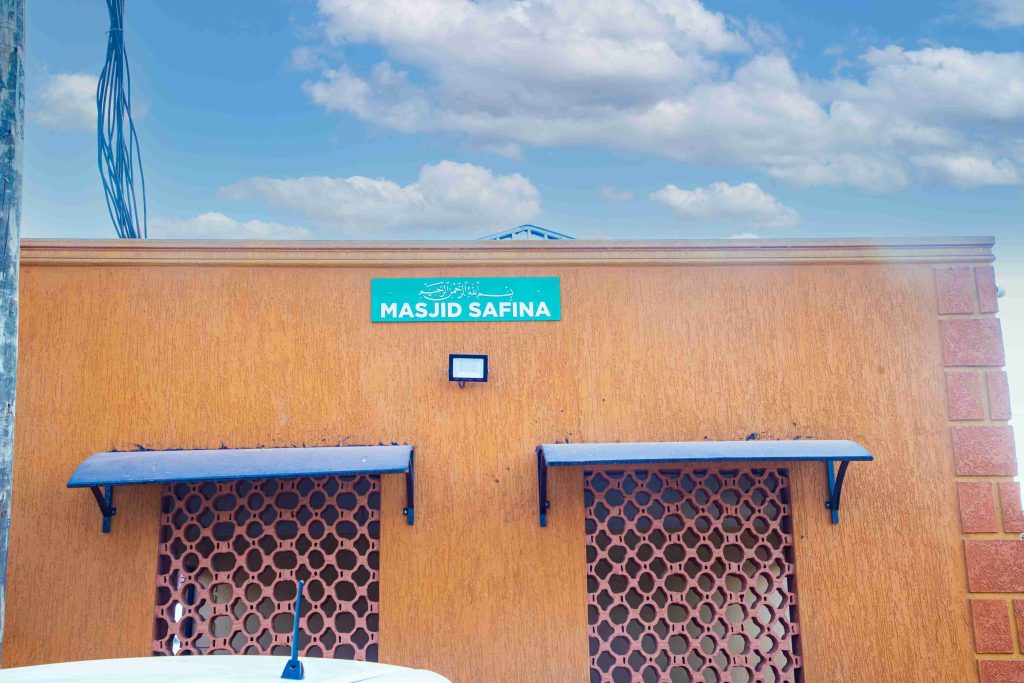

Creating a Culture of Respect.
Educate and Inform: Educate the wider workforce about the purpose and importance of the Masjid. This can be done through informational sessions, company newsletters, or cultural sensitivity training. Understanding and respect from all employees will help create a harmonious environment.
Encourage Flexibility: Allow flexible break times for Muslim employees to accommodate their prayer schedules. This flexibility demonstrates the company’s commitment to supporting their spiritual needs.
Promoting Open Dialogue: Foster an open and inclusive workplace culture where employees feel comfortable discussing their religious practices and needs. Regularly seek feedback to ensure the Masjid continues to meet their requirements.
Benefits to the Business.
Enhanced Employee Well-being: Providing a Masjid demonstrates a genuine commitment to employee well-being, which can lead to increased job satisfaction and morale.
Diverse and Inclusive Workplace: By accommodating religious practices, businesses can attract and retain a diverse workforce, promoting a culture of inclusion and respect.
Improved Productivity: Employees within the Safina Business Centre can practice their faith without disruption are likely to be more focused and productive, contributing positively to the overall success of the business.
Conclusion.
Integrating a Masjid into our business environment is a meaningful way to support the Islamic faith and promote a culture of inclusion and respect. By understanding the needs of your workforce, planning thoughtfully, and fostering an environment of open dialogue and respect, you can create a sacred space that enhances both the spiritual and professional lives of your employees.